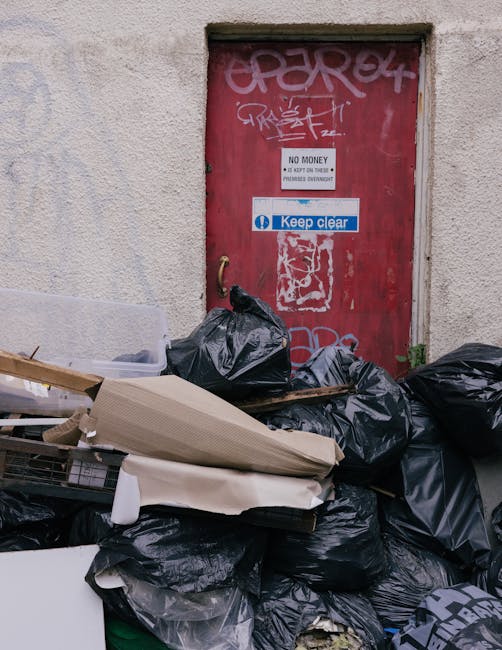
What to know about blocked access for Clapham rubbish jobs
Posted on 09/10/2026
If you have ever looked at a pile of waste in a basement, rear garden, top-floor flat, or tight mews-style driveway and thought, "How on earth is that getting out?", you are already asking the right question. What to know about blocked access for Clapham rubbish jobs is not just about moving waste from A to B. It is about making sure the job can actually happen safely, legally, and without unnecessary hassle.
In Clapham, access issues come up all the time. Narrow terraces, controlled parking, shared entrances, basement steps, railings, side gates, busy high streets, and awkward stairwells can all turn a simple rubbish collection into a careful operation. The good news? Most blocked access problems can be managed with a bit of planning. This guide explains what blocked access really means, why it matters, how rubbish jobs are handled in these situations, and what you should do before booking a collection.
To be fair, the difference between a smooth clearance and a stressful one is often just a few details. A gate width, a parking bay, a forgotten lock, a downstairs neighbour who is out at work... all of it matters.

Why blocked access matters for Clapham rubbish jobs
Blocked access sounds simple, but it changes almost everything about a rubbish job. If a waste team cannot reach the load, cannot park safely, or cannot get bulky items out without damaging walls, floors, or communal areas, the job slows down. Sometimes it stops altogether.
That matters for three big reasons. First, time. A crew may need longer to carry waste from a rear yard, up several flights of stairs, or across a long shared corridor. Second, cost. Extra labour, waiting time, or a second visit can affect the quote. Third, risk. Tight access increases the chance of scratches, trips, back strain, neighbour complaints, or damage to the property.
In a place like Clapham, where homes and businesses often sit on compact streets with a mix of period buildings and newer developments, blocked access is not unusual. You might be dealing with a first-floor flat above a shop, an apartment block with a lift that is too small for a sofa, or a basement office hidden behind a coded door. It is not dramatic. It is just London.
Practical takeaway: blocked access is not only a logistics issue; it shapes pricing, timing, and the level of care needed on the day.
It also affects your expectations. If you know access is difficult, you can prepare properly instead of being surprised when a team says they need photos, measurements, or more information before confirming the booking. That small bit of prep saves a lot of faff later.
How blocked access rubbish jobs work
Most rubbish removal jobs with difficult access follow a simple process, even if the job itself is messy. The team will usually assess the access first, either from your description, photos, or a short call. Then they decide what vehicle, crew size, equipment, and timing are needed.
For example, a ground-floor flat with a rear alley may only need two people and a smaller vehicle. A loft clearance in a narrow Clapham terrace might need a larger crew, protective covers, and extra time to manoeuvre bulky items safely. A blocked driveway in a busy road may require a parking plan so the waste can be loaded without causing disruption.
In many cases, the job is still perfectly straightforward once the access route is known. The key is being honest. If the lift is broken, say so. If the only way through is a narrow side passage, mention it. If there are six flights of stairs and no lift, that is not a small detail, it is the detail.
Here is the typical flow:
- You describe the waste and the access conditions.
- Photos or a short video may be requested.
- The team checks whether the job can be completed safely and efficiently.
- A quote or estimate is provided, sometimes with clear notes about access constraints.
- On the day, the crew arrives with the right equipment and plan.
- The waste is removed, loaded, and taken away for sorting or disposal.
If the access information changes on the day, the job may need to be adjusted. That could mean more time, a smaller load per trip, or rescheduling. Not ideal, but better than forcing a rushed job through a doorway that clearly says "no thanks".
Key benefits and practical advantages
Planning for blocked access may feel like extra admin, but the benefits are real. The biggest one is simple: fewer surprises.
- Safer removal: when crews know the access route, they can protect walls, stairs, floors, and communal areas.
- More accurate quotes: the cleaner the access information, the more realistic the price and timing.
- Faster completion: the right number of people and the right vehicle mean less waiting around.
- Less disruption: useful for flats, offices, shops, and shared buildings where people are coming and going.
- Better handling of bulky items: wardrobes, fridges, mattresses, and builders' waste often need special care.
- Lower risk of damage: tight stairwells and awkward corners are exactly where accidents happen.
There is also a quieter benefit: peace of mind. If you have ever had to shepherd a crew through a building while trying not to annoy the neighbour downstairs, you will know what I mean. A clear plan makes the whole thing feel calmer.
For many customers, especially landlords, letting agents, and property managers, this is the real advantage. A job that is well-scoped upfront is much easier to sign off, document, and complete without back-and-forth.
Who this is for and when it makes sense
Blocked access planning is useful for almost anyone booking waste removal in Clapham, but some people need it more than others.
- Flat owners and tenants: especially where rubbish must pass through communal hallways, lifts, or staircases.
- Landlords and agents: when clearing between tenancies or dealing with abandoned items.
- Homeowners: with rear gardens, basements, side returns, or narrow front access.
- Shops and offices: if waste must be removed outside business hours or from a loading-restricted street.
- Builders and trades: where rubble, plasterboard, and timber need moving from inside the property.
- Anyone clearing bulky items: furniture, appliances, and mixed waste often hit access problems first.
It makes sense whenever access is not obvious. Truth be told, that is most of the time in Clapham. Even a "simple" job can turn awkward if there is a locked gate, a tight corner, or a neighbour's parked car right where you need to manoeuvre.
One common scenario is a flat clear-out after a move. You may have boxes, old chairs, a broken microwave, and a wardrobe that looked manageable until you tried lifting it around a bend. Another is garden waste removal after a weekend tidy-up, when the only route is through a narrow kitchen or side passage. Small problem, big inconvenience.
Step-by-step guidance
If you are dealing with blocked access, the safest approach is to plan the job in stages. Nothing fancy. Just a sensible order.
1. Walk the route before booking
Start by looking at how waste would actually leave the property. Not the ideal route, the real one. Measure doorways, note stairs, check gate locks, and spot any tight turns. If you are in a basement flat, look at ceiling height too. Some items tilt awkwardly and suddenly you are playing a very unfun game of "will it fit?"
2. Identify anything that could stop the job
Think about parked cars, coded doors, shared halls, broken lifts, narrow alleys, low tree branches, and permit-only parking. Also think about timing. A route that is clear at 9am may be blocked by school run traffic or delivery vans later in the day.
3. Take clear photos
Photos help far more than a long explanation. Include the item(s), the entrance, stairs, parking position, and any awkward turning points. If the access issue changes by the hour, add a note. A ten-second video can be even better. Handy little trick, that.
4. Be specific when requesting a quote
Say whether items are upstairs or downstairs, whether someone can help on the day, and whether the access path includes shared spaces. If the job involves builders' waste, mention whether it is bagged or loose. Those details matter more than people realise.
5. Confirm parking and building access
If a vehicle needs to stop close to the property, check whether there is room to park legally and safely. If there is a concierge, caretaker, or building manager, confirm whether they need advance notice. This avoids that awkward "sorry, we can't get in" moment at the front door.
6. Clear the path as much as possible
Move small items, mats, plants, bins, and anything fragile out of the route. Unlock gates. Keep pets secure. If you can protect the floor with blankets or boards, even better. The easier the route, the less likely something bumps, scratches, or snags.
7. Keep the job flexible
Sometimes the plan changes on the day. A neighbour's car is in the way. The lift is out of action. The sofa will not pivot around the corner. When that happens, calm beats panic. A good crew will adapt, but they need room to work.
Expert tips for better results
Here are the small things that often make the biggest difference. These are the details people skip when they are rushing, and then wonder why the job took longer than expected.
- Measure the widest item first. Sofas, wardrobes, mattresses, and appliances are the usual troublemakers.
- Check the route at the time of day the job will happen. Access in Clapham can be very different between midday and late afternoon.
- Keep stairwells clear. Even a small pile of shoes or a pram can slow the whole team.
- Ask about the crew size. A difficult route may need extra people more than a bigger vehicle.
- Separate waste types. Mixed waste can be slower to move and sort, especially if there are sharp or heavy items.
- Tell the truth about volume. Underestimating the load is one of the easiest ways to end up with delays.
One thing I often say is this: if a job feels "a bit tight", tell someone before the crew arrives. Not after. Not halfway through. Before. It sounds obvious, yet it is the bit people leave out because they think it is only a minor issue. Then the minor issue becomes the whole job.
Another useful tip is to think about loading order. If the easiest-to-move items are loaded first, the difficult pieces can be handled when the crew has more space in the vehicle and less pressure on the clock. Simple, but effective.
Common mistakes to avoid
Blocked access jobs often go wrong for predictable reasons. The good news is that they are easy to avoid once you know them.
- Hiding the difficult parts: saying "it should be fine" when there is actually a narrow basement stairwell is asking for trouble.
- Forgetting about parking: if the vehicle cannot stop nearby, the job may take much longer.
- Not checking lift dimensions: many bulky items simply will not fit, even if they look like they might.
- Leaving access keys or codes out: a locked gate or communal door can create a needless delay.
- Assuming one person can help with everything: some items need more than goodwill and a pair of gloves.
- Ignoring building rules: quiet hours, management approvals, or loading restrictions can all affect the plan.
A smaller mistake, but still common, is forgetting to warn neighbours. In a shared building, a quick heads-up can prevent complaints and keep everyone calmer. Nobody loves a hallway full of mattresses at eight in the morning.
And yes, there is usually one item that behaves like it has never seen a doorway before. That is normal. The trick is not to discover it at the worst possible moment.
Tools, resources and recommendations
You do not need specialist equipment for every blocked-access job, but a few practical tools and habits make life easier.
- Measuring tape: useful for door widths, stairs, and bulky furniture dimensions.
- Phone camera: take clear photos of the route, not just the waste.
- Protective coverings: floor protection, blankets, or corner guards can help reduce scuffs.
- Basic gloves and sturdy footwear: especially if you are moving lighter items before collection.
- Notepad or notes app: jot down access codes, permit details, and any time restrictions.
For people comparing services, it also helps to read the business information pages carefully. The services overview is a sensible place to understand what types of clearances are covered, while the pricing and quotes page can help you see how estimates may be structured when access is more complex.
If you are dealing with heavy or awkward waste, it is also worth looking at related services such as furniture removal in Clapham, white goods and appliance disposal, or builders waste removal. Different waste types create different access challenges, and the right service saves time.
For general background on the business, the about us page can be useful, and for care around operations and responsibilities, the insurance and safety information is worth a look.
Law, compliance, standards and best practice
Blocked access is not just a practical issue; it can also touch on legal and best-practice points. In the UK, waste should be handled by an appropriate operator, and waste must be transferred and disposed of responsibly. If you are arranging a rubbish job, it is sensible to check that the business can explain how it manages waste and compliance.
Access itself can bring in other considerations too. For example, if a vehicle needs to park on a public road, parking should be legal and safe. If a property is shared, residents' access must not be obstructed. If the load includes hazardous or sharp materials, the handling method should reduce risk to workers and occupants.
Best practice usually includes the following:
- clear pre-job communication about access constraints
- safe manual handling for bulky or heavy items
- reasonable protection of floors, walls, and communal spaces
- respect for neighbours and building rules
- proper waste transfer and disposal procedures
It is also sensible to review the company's compliance information before booking. The waste carrier licence and compliance page is especially relevant if you want reassurance that waste is being handled properly. If you are comparing operators, that page should not be an afterthought.
For extra peace of mind, check the broader policy pages too, especially if you are booking on behalf of a business or managing sensitive information. Small thing? Maybe. But it shows the operation is being run properly. And in this line of work, proper matters.
Options, methods and comparison table
When access is blocked or awkward, there is rarely only one way to do the job. The right option depends on the waste type, route, urgency, and how much manual carrying is involved.
| Method | Best for | Strengths | Limits |
|---|---|---|---|
| Full crew collection | Heavy or bulky mixed waste | Fast, safer for stairs and tight routes | Can cost more if access is very difficult |
| Smaller vehicle access | Narrow streets and limited parking | Better for tight Clapham roads | May require more trips for larger loads |
| Pre-sorted waste removal | Jobs with mixed but separable waste | Can improve loading efficiency | Needs more prep from the customer |
| Manual carry from rear or basement | Properties with no direct vehicle access | Solves hidden or enclosed access | Slower and more labour intensive |
| Staged collection | Large clear-outs or ongoing works | Flexible and manageable | Less convenient if time is tight |
The right method is not always the cheapest on paper. Sometimes the cheaper option becomes more expensive once delays, repeated trips, or extra labour are added. It is better to match the method to the route than to force a one-size-fits-all answer. That usually ends badly, if we are honest.
Case study or real-world example
A typical Clapham example might be a first-floor flat above a shop with a rear yard and a narrow side passage. The customer needs a sofa removed, along with several bags of mixed household rubbish and an old chest of drawers. On paper, it sounds manageable. In practice, the side passage turns out to be tight, the gate is stiff, and the staircase has a small landing that makes the sofa awkward to turn.
Before the job, the customer sends photos of the passage, the stairwell, and the sofa dimensions. That allows the team to bring the right number of people and a protective runner for the floor. The route is cleared, a neighbour's bike is moved from the corridor, and the job is completed in one visit rather than two.
What made the difference? The access details. Not luck. Not guesswork. Just a clear plan.
Another common example is garden waste behind a terraced property. The waste itself is light, but the access route crosses a kitchen, two steps, and a narrow gate. If the customer has already bagged the cuttings and stacked branches neatly, the collection goes much faster. If not, the crew spends half the time sorting and carrying individual bits that could have been dealt with earlier. Small choices, big difference.
Practical checklist
Use this checklist before booking or on the morning of the job. It keeps things calm.
- Measure doorways, stairwells, and any narrow turns
- Check whether the lift works and whether items will fit inside
- Confirm parking access and any permit rules
- Take clear photos of the waste and the route
- Tell the provider about gates, codes, keys, or concierge access
- Move obstacles from hallways, patios, and stairwells
- Warn neighbours if communal areas may be used
- Keep pets and children clear of the work area
- Separate hazardous or awkward items in advance
- Double-check the collection time on the day
Expert summary: the more difficult the access, the more valuable preparation becomes. In most cases, you do not need a perfect setup; you just need a predictable one.
And if the route is still awkward after all that? That is fine. A good team will usually work with it. They just need the truth upfront.
Get a free quote today and see how much you can save.
Conclusion
Blocked access is one of those issues that sounds minor until you are standing in a hallway with a bulky item, a tight corner, and no clear way out. In Clapham, that is a common enough story. The streets are busy, the buildings vary, and the access route is often the real job, not just the waste itself.
The main thing to remember is this: clear information beats optimistic guesswork every time. If you know the access is awkward, say so. If you have photos, send them. If a lift is unreliable, mention it. Those simple steps help keep collections safer, quicker, and more cost-effective.
Handled properly, even a tricky rubbish job can feel surprisingly straightforward. A bit of honesty, a bit of planning, and the right team. That is usually enough. And frankly, it makes life easier for everyone.